


This is a complex and sensitive political scenario, deeply rooted in Kenya’s dynamic and often unpredictable landscape.
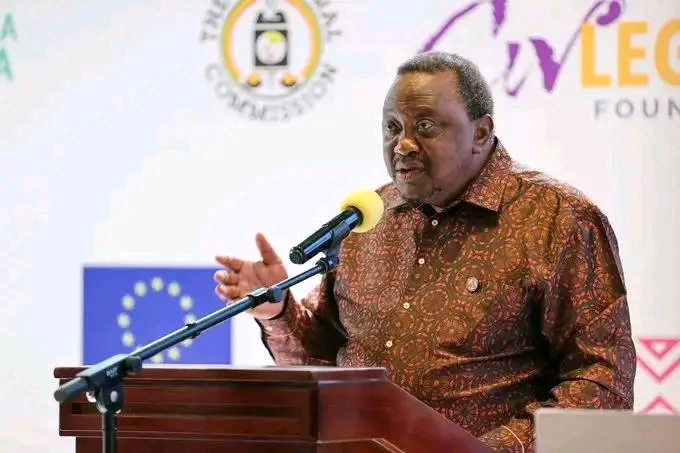
The reported move by former President Uhuru Kenyatta to encourage Raila Odinga to break away from President William Ruto’s government and prepare for a 2027 presidential bid reflects the enduring undercurrents of political rivalry, shifting alliances, and strategic calculations that define Kenyan politics.
If the rumours are true, Uhuru’s offer to back Raila Odinga with the full support of the Mt. Kenya region carries both promise and caution. On the surface, such support could be a powerful political weapon. Mt. Kenya remains one of the most vote-rich regions in Kenya, and any presidential candidate would certainly benefit from significant backing there. Uhuru’s influence in the region, though somewhat diminished since leaving office and amid internal wrangles within the Jubilee Party, still holds symbolic weight especially if he can rally key regional leaders and the business community behind Raila’s bid.
However, Raila Odinga has every reason to approach such a proposal with caution. The 2022 elections were a bitter reminder of how elusive Mt. Kenya support can be, despite Uhuru’s endorsement. Despite the “Handshake” and years of partnership, Raila failed to secure a meaningful percentage of the vote from the region. This historical experience likely weighs heavily on him, and rightly so. Political promises in Kenya don’t always translate into votes, especially in areas where tribal loyalties and historical narratives run deep.
Moreover, Raila is no stranger to political betrayal or shifting alliances. Having contested and lost five times, each under varying political arrangements, he has learned the hard way that endorsements even from sitting or former presidents are no guarantee of victory. His reluctance may also stem from a strategic awareness that he is increasingly seen as part of the old guard. With age and legacy considerations at play, he might be pondering whether it’s wiser to support a younger candidate from his political base or mentor the next generation of leadership, possibly positioning himself as a kingmaker rather than a contender.
On the other hand, pulling out of any perceived collaboration or engagement with the Ruto government could carry its own risks. It may create a political vacuum or signal instability within the opposition, especially if not backed by a clear and unified strategy. It might also cost Raila the gains he has made through his current diplomatic engagements and positioning within the African Union and other continental platforms.
Ultimately, Raila Odinga must weigh his options with precision. If Uhuru’s promise comes with tangible, verifiable commitments like a structured regional strategy, grassroots mobilization, and financial backing it might be worth considering. But it should not be a decision made on nostalgia or gentleman’s agreements alone. Raila’s next move should be grounded in realism, not just ambition or loyalty.
Perhaps the most prudent path for him would be to step back, help unite the opposition, and lend his voice and experience to mentor a candidate who can carry forward his vision while resonating more effectively with the new political realities. Kenya is in need of visionary leadership that transcends tribal arithmetic and tired rivalries.
So, should Raila trust Uhuru and give it another shot? Only if the trust is backed by action, structure, and measurable support not just words. Otherwise, it may be time for him to take a different path and focus on shaping the future from behind the scenes.
