



Kenya’s economy has been in critical condition for the past few months as a result of the country’s skyrocketing inflation rates. The rising cost of food and other essentials has put the majority of Kenyans on the brink of hunger.
However, this is expected to alter over the next two weeks as the rains draw closer. Precipitation levels are expected to remain moderate for the foreseeable future, as they have been over the past two days in a number of locations.

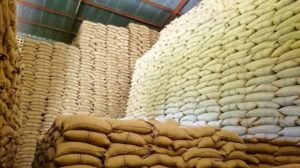
Because of this record-breaking harvest, farmers in Trans Nzoia should expect to see unga prices drop significantly. There have been reports of over 5, 300, 000 bags of grain being harvested by local farmers.
While waiting for the government to announce the exact price of a 90-kg bag of maize, farmers will continue to stockpile the grain. Kenyans are now rejoicing since the cost of maize flour would decrease in the coming weeks.
So, what do you think of this message now that it’s out there? Put your opinions in the comments and feel free to pass forward my blog. Kenya has East Africa’s largest economy. Kenya’s quick economic expansion after independence was spurred by government spending on infrastructure, subsidies for farmers, and tax breaks for corporations.
Kenya also serves as a financial and transportation center for the surrounding region. Kenya’s GDP has been growing steadily over the past few years, thanks to public infrastructure projects, robust public and private sector investment, and effective economic and fiscal policies that have reflected the country’s broad economic foundation and diverse economic base.
Kenya boasts the greatest rate of financial inclusion in the region and the world, and its financial industry is active, well-developed, and diverse. The banking industry is well-funded and lucrative, exceeding industry standards for capital adequacy and liquidity ratios.
