


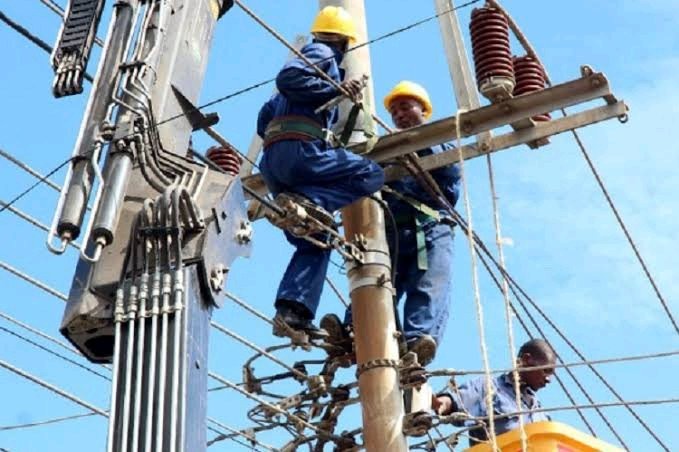
Consumers have been dealt a double whammy as a result of rising fuel costs and the energy regulator’s decision to reverse course and raise electricity prices by 15.7%, undoing the cutbacks imposed in January by the administration of former president Uhuru Kenyatta.
Including fuel, FX, and inflation adjustments, the Energy and Petroleum Regulatory Authority (Epra) quietly increased pass- through expenses last week, bringing the price of a kilowatt hour unit to Sh25. 3 for domestic consumers who use more than 100 units per month.
Over 100kWh tariff customers will now receive 39. 5 units of power per Sh1, 000, down from 45. 7 units before the change.
As the pass- through charges currently make up more than a third of power bills, the costs for the most power- hungry consumers and industries will continue to grow.
The energy commission did not explain the reason for the hike in the surcharge, but it likely has something to do with the rising price of crude oil due to increased worldwide demand.
While the law mandates a review of energy rates every three years, the regulator has frequently pushed back or altered the rates, in part because the government is trying to alleviate inflationary pressure on individuals and companies.

A rise in the cost of producing goods, including transportation and inputs, will lead to a domino effect of higher prices across the economy as a whole.
In addition to the failing maize flour subsidy, increasing fuel prices, and a depreciating shilling, August saw the largest annual increase in the cost of living for consumers in more than five years.
Inflation, a metric of the cost of living, increased to 8. 5% from 8. 3% in the previous month, a level not seen in 62 months.
Various imported goods, such as gasoline, wheat, used clothing, automobiles, vegetable oils, and manufacturing equipment, have become more expensive as the shilling has reached an all-time high of 120.4 to the dollar.
Social media users in Kenya have lately petitioned the International Monetary Fund (IMF) to stop lending the country additional money in light of growing public outcry about falling government revenues, shrinking job markets, and increasing national debt.
