


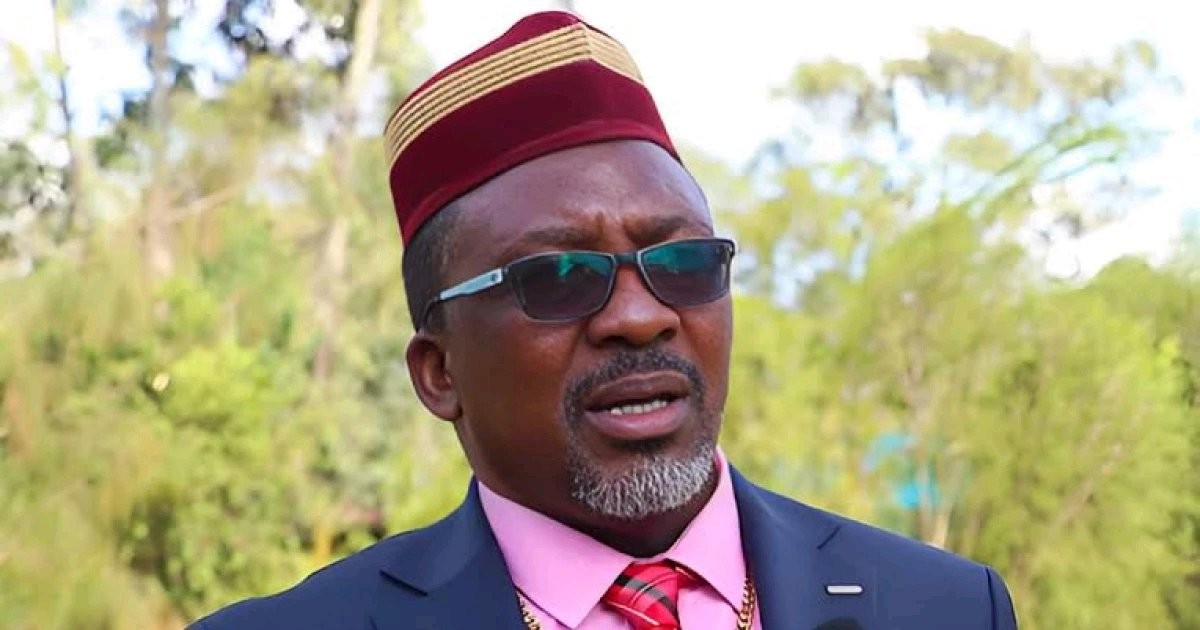
Pastor Ng’ang’a’s Controversial Stance: Refusing to Raise Grandchildren Sparks Debate on Inter-generational Roles
Apostle James Ng’ang’a, the founder of Neno Evangelism Centre in Kenya, has ignited a firestorm of controversy with his recent declaration on TikTok that he will not raise his grandchildren if their parents leave them in his care.
This unconventional stance challenges societal expectations surrounding the role of elderly grandparents in raising their grandchildren.

Ng’ang’a’s bold statement emphasizes his refusal to succumb to societal pressure, asserting that he would take any child left in his care to the police station.
In the TikTok video, he passionately states, “I can’t let anyone give me pressure, and yet newspapers are already giving me pressure. I will not raise someone else’s kid; I will help you as the child lives with you.”
The controversial pastor takes aim at the traditional expectation that aging grandparents, particularly women, should assume the responsibilities of parenting their grandchildren.
He argues that it is unfair to burden elderly individuals with such duties, given their frailty and advancing age.
This outspoken declaration has triggered diverse reactions from the public. Some express support for Ng’ang’a’s perspective, citing instances where elderly individuals face challenges in raising grandchildren due to health constraints.
The comments on social media reflect a nuanced understanding of the complexities surrounding inter-generational responsibilities.
Ng’ang’a’s remarks shed light on the evolving dynamics of family roles, challenging traditional norms that dictate a significant role for grandparents in raising grandchildren.
The pastor’s stance sparks a crucial dialogue on the need for a more nuanced approach to family dynamics, considering the well-being of all family members.
This revelation comes amidst other controversies surrounding Ng’ang’a, notably his public disownment of his alleged eldest daughter, Naomi Wangari Maina, who sought financial support for her son battling B-ALL leukemia.
Ng’ang’a’s call for a paternity test adds another layer of intrigue to his familial relationships, contributing to the ongoing discussions surrounding the pastor’s personal life.
In a society where generational roles are evolving, Ng’ang’a’s bold declaration serves as a catalyst for broader conversations about the complexities of family responsibilities and the necessity for inclusive discussions surrounding caregiving at different stages of life.
This incident prompts reflection on how societal expectations impact family dynamics and highlights the importance of understanding and adapting to the changing landscape of inter-generational relationships.
