


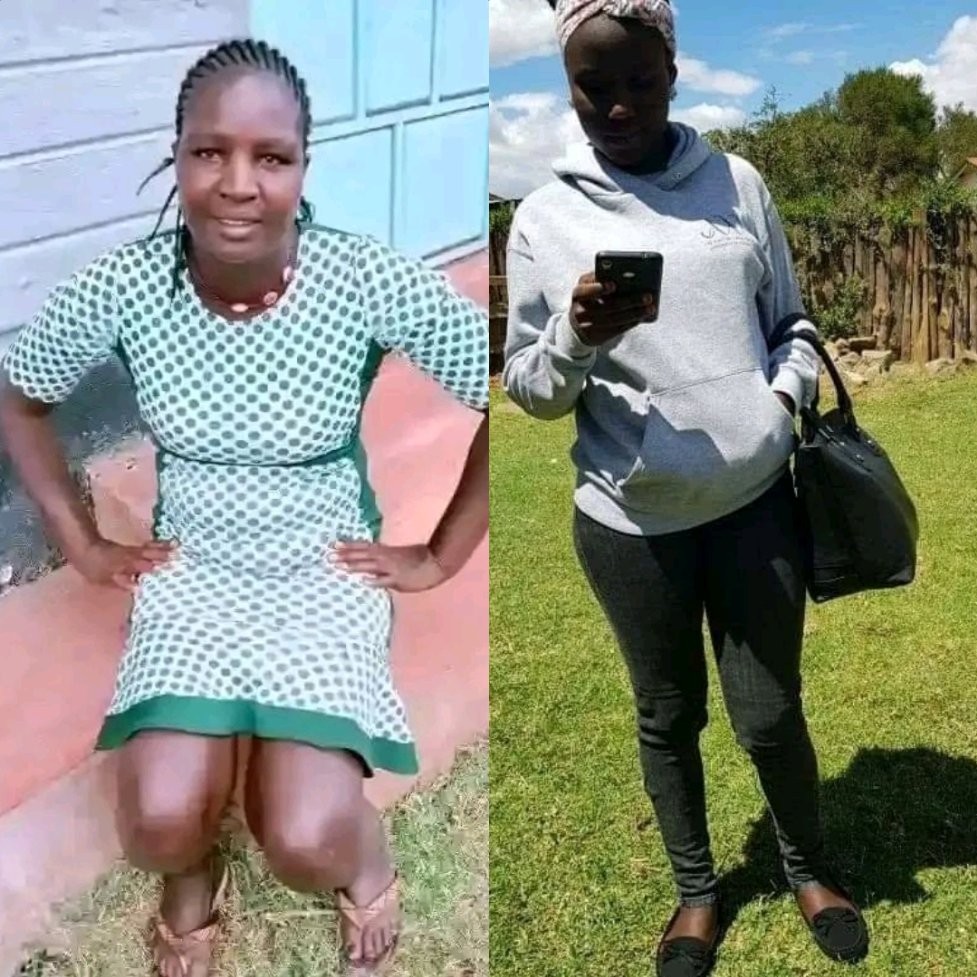
In yet another harrowing tale of domestic violence, Ivy Chepkurui, a Kalenjin woman, has fallen victim to the fatal consequences of marital discord.
The incident, which occurred in Uasin Gishu county, Kenya, has sent shockwaves through communities and underscored the urgent need for action to address the scourge of domestic violence plaguing the nation.
Reports indicate that Ivy Chepkurui met a tragic end at the hands of her husband, who allegedly accused her of theft from his shop. Fuelled by anger and suspicion, he resorted to violence, ultimately stoning her to death.

Adding to the tragedy, it’s reported that Ivy subsequently opened a similar business just meters away from her husband’s shop, exacerbating tensions between the couple.
The heartbreaking images of Ivy Chepkurui serve as a stark reminder of the devastating toll of domestic violence, a scourge that continues to claim lives and shatter families across Kenya.
Her untimely demise underscores the pressing need for effective measures to address the root causes of domestic strife and provide support to those in vulnerable situations.

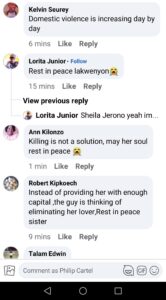
In the wake of this tragedy, social media platforms have become a space for collective mourning and reflection, with Kenyans expressing their condolences and outrage at yet another senseless loss of life.
However, mere expressions of sympathy are not enough to stem the tide of domestic violence sweeping the nation.
The underlying factors contributing to domestic conflicts, including economic pressures, infidelity, stress, and mental health issues, must be addressed comprehensively through targeted interventions and support services.

It is imperative that communities come together to challenge harmful gender norms and promote healthy relationships based on mutual respect and dignity.
As the nation grapples with the aftermath of Ivy Chepkurui’s death, it is crucial that her story serves as a catalyst for change.
From improved access to mental health resources to enhanced legal protections for victims of domestic violence, concerted efforts are needed to break the cycle of abuse and ensure that tragedies like this are not repeated.
In honoring Ivy Chepkurui’s memory, let us commit ourselves to building a society where every individual feels safe, valued, and empowered to live free from fear and violence.
Only then can we truly honor her legacy and prevent further loss of life at the hands of domestic violence.
