


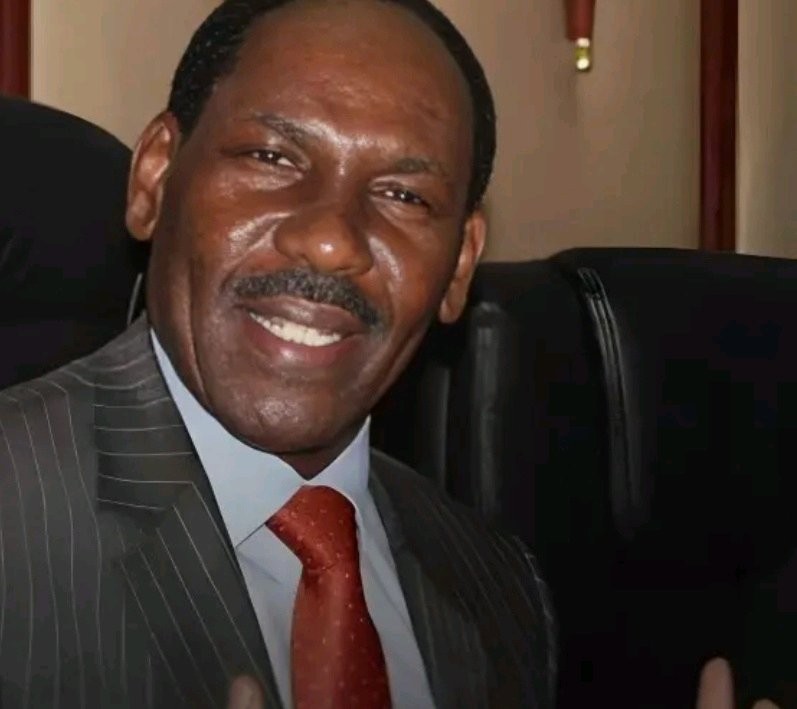
Ezekiel Mutua, the CEO of the Music Copyright Society of Kenya (MCSK), has stirred controversy with his strong condemnation of the gospel song “Yesu Ninyandue” by singer William Getumber.
Mutua’s critique extends beyond disapproval, as he demands the immediate removal of the song from digital platforms and calls for a broader ban on such content.
Mutua accuses Getumber of clout-chasing, suggesting that the singer’s motives lack sincerity and are driven by a desire for attention rather than genuine faith or artistic expression.
As the head of MCSK, Mutua’s stance carries weight, emphasizing the need for responsible artistic expression and respect for religious sentiments.
The controversy surrounding “Yesu Ninyandue” highlights the complex interplay between artistic freedom and religious sensitivity.
Blasphemy, as depicted in the song, triggers intense reactions within communities, prompting questions about the boundaries of expression and the responsibilities of artists.
Mutua’s call for the song’s removal reflects concerns not only about the offense caused by its lyrics but also about the broader impact on religious beliefs.
As societies navigate such controversies, they must balance the right to freedom of expression with the need for cultural and religious respect.
The role of regulatory bodies, like MCSK, becomes crucial in overseeing content and safeguarding the interests of artists and communities.
This incident prompts discussions about the delicate balance between artistic expression and religious tolerance, highlighting the importance of ongoing dialogue and understanding.
As the situation unfolds, it sparks broader conversations about the responsibilities of artists, the role of regulatory oversight, and the complexities of managing cultural sensitivities.
It underscores the need for a nuanced approach to navigating contentious issues within the realm of artistic expression.
Ezekiel Mutua’s condemnation of “Yesu Ninyandue” underscores the challenges of balancing artistic freedom with religious sensitivity.
As societies grapple with these issues, discussions about regulatory oversight, cultural respect, and freedom of expression will continue to shape the landscape of artistic discourse.
