


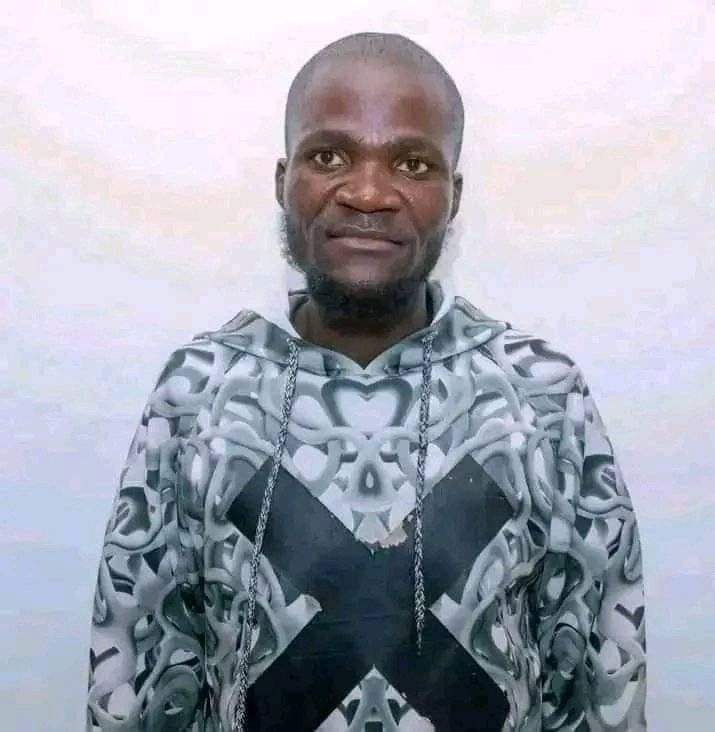
Nuru Okanga, a vocal supporter of Raila Odinga and a fervent advocate for Azimio La Umoja, finds himself at the center of controversy.
His recent message directed at President Ruto, posted on Facebook, exudes both defiance and a touch of regret in the aftermath of Ruto’s arrest and subsequent legal proceedings.
Okanga’s Facebook post, which can be found states, “I was arrested because of exercising my constitutional rights. Apologies to those who were offended. May God bless Kenya. Peace.”
This message, seemingly tied to his detention, is believed to be connected to the exercise of his freedom of expression.
Digging deeper into the incident, it is revealed that Okanga shared a charge sheet on his social media, indicating charges related to insulting President Ruto.
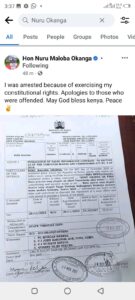
These allegations reportedly stem from a speech made by Okanga, disseminated through the YouTube channel identified as Riba News.
This development prompts a critical examination of the boundaries of free speech, particularly in the context of contemporary political discourse.
The incident involving Okanga raises pertinent questions about the extent to which individuals can express their opinions without facing legal consequences, and the role of social media platforms in amplifying such expressions.
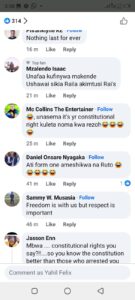
As Kenyans grapple with the implications of Okanga’s arrest, the incident underscores the delicate balance between exercising constitutional rights and navigating the legal repercussions of outspoken political views.
It also sheds light on the evolving landscape of political dialogue, where social media platforms play a pivotal role in shaping public opinion and, in this case, contributing to a legal predicament.
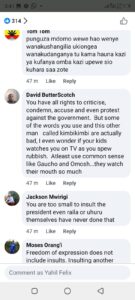
In the coming days, observers will likely closely monitor the unfolding events surrounding Nuru Okanga, as the incident sparks a broader discussion on the interplay between freedom of expression, political activism, and the consequences faced by those who dare to challenge the status quo.
