


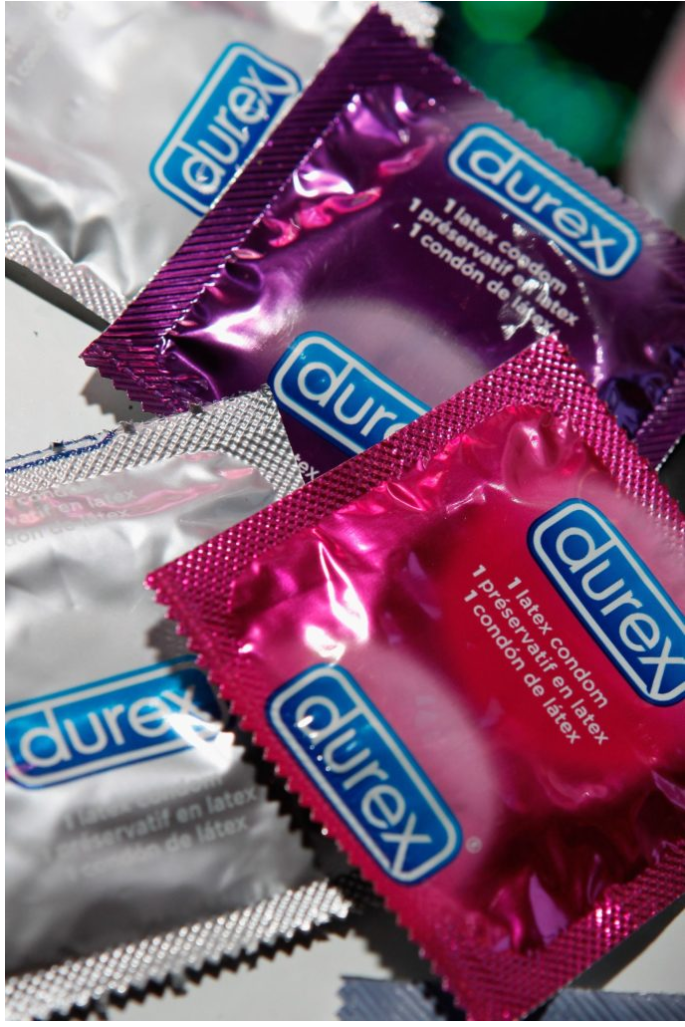
According to a poll conducted by the National Aids Control Council (NACC), the average sexually active Kenyan man uses only 14 condoms per year, which is less than half of the recommended number.
Since the first case of HIV was reported in the East African country, condoms have avoided up to 45 million HIV infections, according to NACC, a government-owned corporation.
According to the Council, every Kenyan man has access to at least 25 free male condoms given by the government, despite the fact that condoms are still the safest approach to prevent the transmission of HIV, STIs, and unwanted pregnancies.
Joab Khasewa, a monitoring and evaluation officer at NACC, told journalists that specialists suggest that sexually active men use at least 40 condoms each year.
The statistics are set against a backdrop of a continuing shortage of the government of Kenya’s free condoms.
The male condom scarcity that began in 2021 is projected to end in March 2022, as the government ordered extra condoms to be delivered to the country next month.
NACC, on the other hand, is concerned that the condoms will go to waste because few Kenyan males use condoms.
Condoms were last procured by the government in 2020, resulting in a massive shortage of the contraceptive.
“Approximately, 190 million male condoms were distributed in 2020 compared to a need of 424 million leaving a gap of 234 million male condoms,” the NACC official pointed out.
The program relies on donor financing, which has decreased dramatically as a result of the high taxation of the commodity, which donors cite as a barrier.
“With reduction in donor funding, the future of free condoms, which is entirely reliant on donor funding, is uncertain,” Khasewa said.
Free condoms are critical in aiding sexually vulnerable groups such as HIV-positive people and those who cannot afford commercially available condoms.
Kenyans have being urged to take advantage of the ample supply of commercial condoms available.
The Ministry of Health is also striving to increase awareness of female condoms, which have failed to achieve widespread acceptance in Kenya due to their restricted accessibility, lack of education about how to use them, and overall stigma.
Condoms for women are just as effective as condoms for men
