


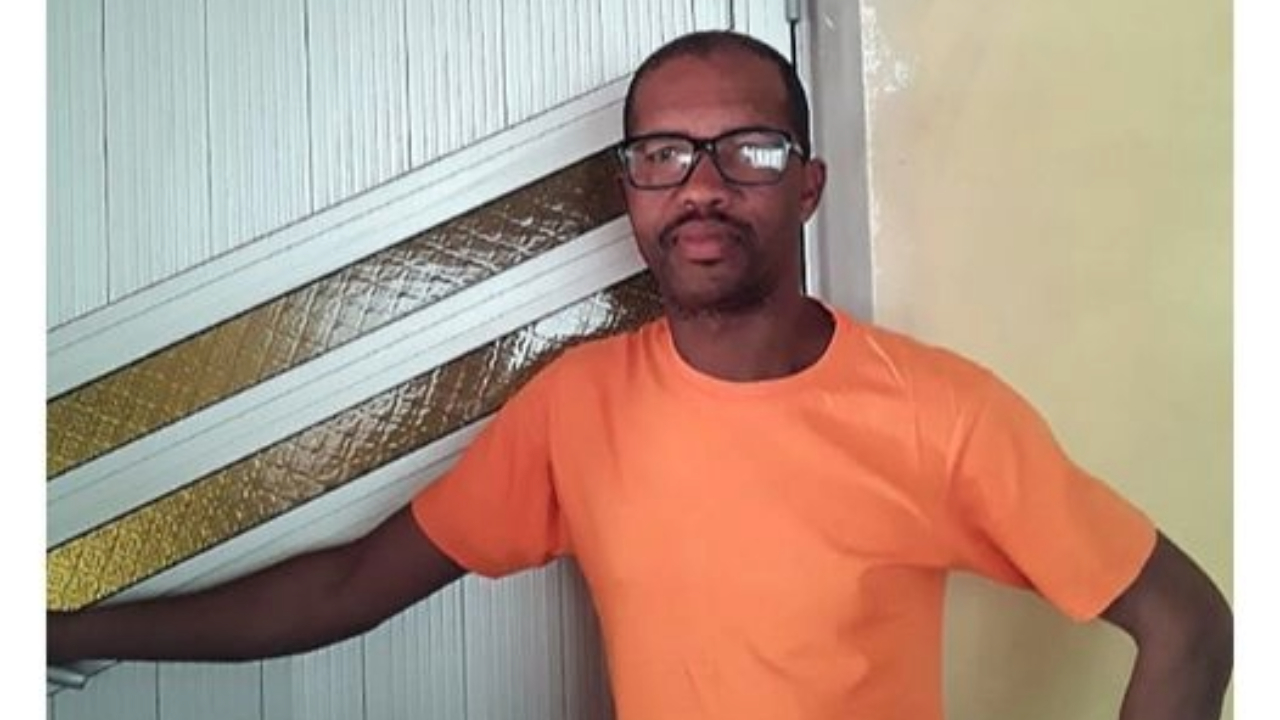
South African Man Suffers Trauma After HIV Misdiagnosis and ARV Treatment
A 50-year-old South African man, Solomon Mthana, has revealed the mental and emotional trauma he endured after being misdiagnosed with HIV and subsequently placed on antiretroviral (ARV) treatment. This harrowing experience has had profound impacts on Mthana and his family, highlighting the severe consequences of medical misdiagnoses.
The Misdiagnosis
Solomon Mthana’s ordeal began in March when he visited Settlers Hospital in Makhanda to have a lump in his head surgically removed. As part of the pre-surgery protocol, doctors took blood samples for laboratory testing to understand the underlying causes of the lump. They also insisted on conducting a rapid response HIV test, which provides instant results. To Mthana’s shock, the test indicated that he was HIV-positive.
Immediate Aftermath
Following the HIV-positive result, Mthana was immediately provided with counseling and placed on ARV treatment. The rapid response test results and the subsequent treatment regime marked the beginning of a grueling period for him. Mthana, a private security guard, shared his struggle with the ARV drugs, detailing severe side effects including constant vomiting, nausea, and extreme fatigue during the first two weeks of treatment. The physical toll was immense, compounded by the psychological burden of accepting and coping with a serious diagnosis.
The Revelation
In a cruel twist, blood test results from the laboratory, which were received in April, revealed that Mthana was actually HIV-negative. This revelation came after Mthana had been taking the ARV treatment for over a month, adjusting to a life with a virus he did not have. He recounted to Sowetan that he had suspicions from the beginning, noting that the medical staff’s unusually kind demeanor and immediate counseling seemed out of place.
Emotional and Psychological Impact
The misdiagnosis led to significant emotional and psychological distress for Mthana and his family. The initial shock of an HIV diagnosis, followed by the taxing side effects of unnecessary ARV medication, created an emotional roller-coaster. The subsequent revelation of his true HIV-negative status added to the psychological trauma, as Mthana grappled with the reality of having undergone unnecessary treatment and its side effects.
Reflection and Lessons
Mthana’s experience underscores the critical importance of accurate medical diagnoses and the potential repercussions of errors in healthcare. It highlights the need for stringent verification of test results before initiating treatments that can have profound effects on patients’ lives. Additionally, it calls attention to the necessity of support systems for individuals dealing with medical misdiagnoses, providing them with the necessary psychological and emotional care to navigate such traumatic experiences.
Conclusion
Solomon Mthana’s story is a poignant reminder of the human cost of medical errors. His ordeal, marked by unnecessary physical suffering and deep emotional trauma, emphasizes the need for improved medical protocols and compassionate patient care. As healthcare systems strive to provide accurate and reliable diagnoses, stories like Mthana’s should serve as a catalyst for continual improvement and patient advocacy, ensuring that no one else has to endure a similar fat
