


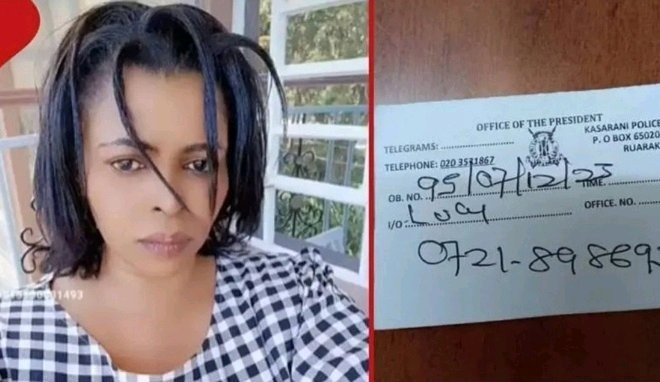
A woman’s harrowing ordeal has sparked widespread reactions and emotions online after she shared her distressing experience of inadvertently sending Ksh 300,000 to the wrong recipient, only to face further challenges upon seeking assistance from the Directorate of Criminal Investigations (DCI).
The woman, who had been diligently working in Saudi Arabia and enjoying a lucrative income, decided to send money to her family in Kenya.

However, her plans took a drastic turn when she realized that she had mistakenly entered the wrong number during the transaction.
Faced with the daunting prospect of her hard-earned money being lost, the woman swiftly made arrangements to return to Kenya to rectify the error.
Upon her arrival, she wasted no time in reporting the incident to the DCI office in Kasarani, where she was assured that her case would be diligently investigated.
Despite assurances from the authorities, the woman’s ordeal took a distressing turn when she was allegedly asked to pay Ksh 20,000 to fuel a police car for the investigation.

Shockingly, upon locating the recipient of the funds, the DCI officers purportedly accepted a bribe of Ksh 100,000 from the individual, allowing him to retain a portion of the misdirected money.
Feeling betrayed and insulted by the DCI officers’ conduct, the woman made the decision to sever all communication with them, blocking their contacts in frustration and disappointment.
The woman’s story has elicited a range of reactions from netizens, with many expressing sympathy for her plight and outrage at the alleged misconduct by the DCI.
Some have voiced concerns over the prevalence of corruption and impunity within law enforcement agencies, calling for accountability and transparency in dealing with such cases.

As the story continues to unfold, it serves as a stark reminder of the vulnerabilities faced by individuals in navigating financial transactions, as well as the challenges encountered when seeking assistance from authorities.
The incident underscores the importance of integrity and professionalism in law enforcement, and the need for mechanisms to address grievances and ensure justice for all.
Amidst the outcry and debate surrounding the woman’s ordeal, the case highlights the power of social media in amplifying voices and shedding light on issues of public interest.

As discussions ensue, it is imperative to uphold principles of fairness, empathy, and accountability, ensuring that justice prevails for the woman and others who may find themselves in similar predicaments.
