


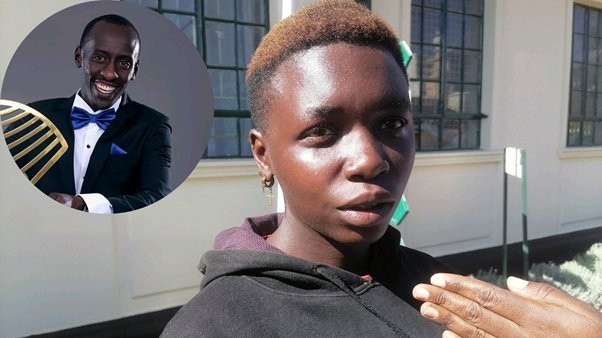
A 22-year-old woman, Edna Awuor Otieno, has made headlines after moving to the High Court in Eldoret to halt the burial of renowned marathoner Kelvin Kiptum, alleging that he fathered their one-year-and-seven-month-old daughter.
Edna claimed to have been on good terms with Kiptum before his tragic demise in a road accident, asserting that he had been supportive of her and their child.

In her court submission, Edna revealed that Kiptum had acknowledged her and their daughter as part of his family and had provided for their well-being until his untimely death.
She recounted their last conversation on the day of the accident, during which Kiptum expressed concern for their child’s welfare and promised financial support for their upkeep.
Despite her assertions, Kiptum’s family reportedly refused to acknowledge Edna and their daughter, omitting the child’s name from the eulogy and other funeral arrangements.
Seeking legal intervention, Edna filed an application to halt Kiptum’s burial and requested DNA samples to establish the paternity of their child.
However, the magistrate declined Edna’s application, citing the advanced stage of burial preparations.
The decision dealt a blow to Edna’s efforts to assert her claim and seek recognition for their daughter’s paternity within the context of Kiptum’s funeral arrangements.
The case has drawn significant attention, shedding light on the complexities of familial relationships and inheritance rights in the wake of a tragic loss.
Edna’s pursuit of legal recourse underscores her determination to ensure her daughter’s rights and establish the truth of her paternity, despite facing resistance from Kiptum’s family.
As the legal proceedings unfold, the public awaits further developments in the case, which has sparked debate and discussion regarding parental responsibilities and legal recognition of children born out of wedlock.
The outcome of Edna’s quest for recognition and justice for her daughter remains uncertain, highlighting the challenges faced by individuals seeking to assert their rights in matters of paternity and inheritance.
In the midst of grief and legal battles, the case serves as a poignant reminder of the complexities of human relationships and the importance of addressing issues of paternity and familial rights with sensitivity and compassion.
