


Kikuyu gospel musician Muigai Wa Njoroge addressed the growing dissatisfaction among Kenyans regarding the high cost of living under President William Ruto’s administration.
Despite the initial optimism following Ruto’s victory a year ago, Muigai found himself fending off criticism from followers who accused him of misleading them.
Muigai, a staunch supporter of Ruto during the elections, did not hesitate to shift the blame for the economic challenges to former President Uhuru Kenyatta.
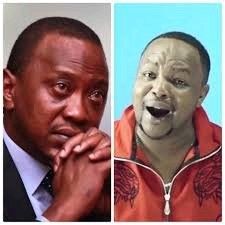
He argued that Kenyatta’s legacy left the country burdened with a substantial amount of loans that Ruto is diligently working to repay.
This assertion became Muigai’s go-to response to queries about the current administration’s performance.
Responding to a follower who questioned Ruto’s efforts and accused him of making life harder for the poor, Muigai defended Ruto’s dedication but attributed the difficulties to the financial constraints inherited from Kenyatta’s era.

He acknowledged the stress Ruto faces in managing these financial obligations, portraying him as a leader grappling with the aftermath of his predecessor’s decisions.
As criticisms mounted, with some claiming that everything went wrong since the election of the “son of the poor man,” Muigai remained optimistic.
He assured his followers that things would soon return to normal, emphasizing that Ruto’s focus is on alleviating the economic challenges posed by the substantial debts left behind by Kenyatta.
In response to queries about Ruto’s overall performance, Muigai conveyed a positive outlook, describing things as “very good.”

However, he reiterated that the administration’s primary challenge is the Herculean task of repaying the loans accumulated during Kenyatta’s tenure.
This consistent narrative underscores Muigai’s attempt to shield Ruto from direct responsibility for the escalating cost of living, instead placing the blame squarely on the previous head of state.
The dynamics of Kenyan politics and the intricate dance between promises made during the campaign and the harsh realities of governance have put figures like Muigai in the spotlight.
As citizens grapple with the economic ramifications of past decisions, the narrative presented by Muigai reflects an attempt to manage expectations while maintaining support for the current administration.

Only time will reveal whether these explanations will resonate with the wider Kenyan population or if dissatisfaction will continue to mount.
