



Pastor Ezekiel found himself under intense scrutiny alongside other religious leaders regarding their alleged involvement in the Shakahola massacre.
Ezekiel stood before the committee and passionately denied any connection to the tragic incident, emphatically asserting that his wealth, down to even his wristwatch, had been solely sourced from the generous offerings of his vast congregation, which boasted over 45,000 devoted churchgoers.
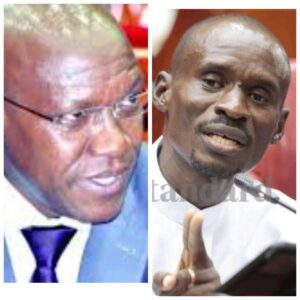
The scrutiny didn’t stop there. When the topic of pastoral qualifications came up, Ezekiel made a bold statement.
He argued against the notion of pastors being required to obtain formal theological education.
In his view, Jesus, the central figure of Christianity, hadn’t possessed a theology degree, yet he had been a prolific preacher of the gospel. This stance prompted a strong reaction from Bony Khalwale, a fellow participant in the hearing.
Khalwale challenged Ezekiel’s assertion, vehemently contending that comparing oneself to Jesus was unjustified and that theology remained an essential subject for religious leaders.
The debate became increasingly intense as Khalwale pressed the issue, highlighting the significance of a thorough understanding of theological principles for effective ministry.
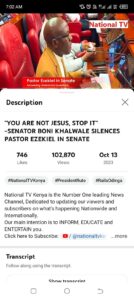
The examination of Pastor Ezekiel’s life and wealth continued. Khalwale demanded more substantial answers.
He pressed the pastor to reveal whether he held undisclosed private bank accounts and to provide a comprehensive account of his legitimate sources of income, apart from the offerings received from church activities.
The exchange underscored the importance of transparency and accountability within religious leadership.
Furthermore, Khalwale issued a stern warning against pastors using their platforms to instill fear in the Kenyan population.
He emphasized that spiritual leaders should be beacons of hope and guidance, not instruments of fear or manipulation.
This Senate committee hearing not only shed light on the accountability of religious leaders but also sparked a broader discussion about the qualifications and responsibilities of pastors.
To gain a comprehensive understanding of the hearing’s dynamics, we encourage you to watch the full video, and we invite you to share your valuable opinions and insights with us as we continue to explore the intricate intersection of faith and governance.
