


Burkina Faso People Give Former Minister ‘Special Treatment’ for Misappropriating Public Funds
Video coming soon........Keep in Touch
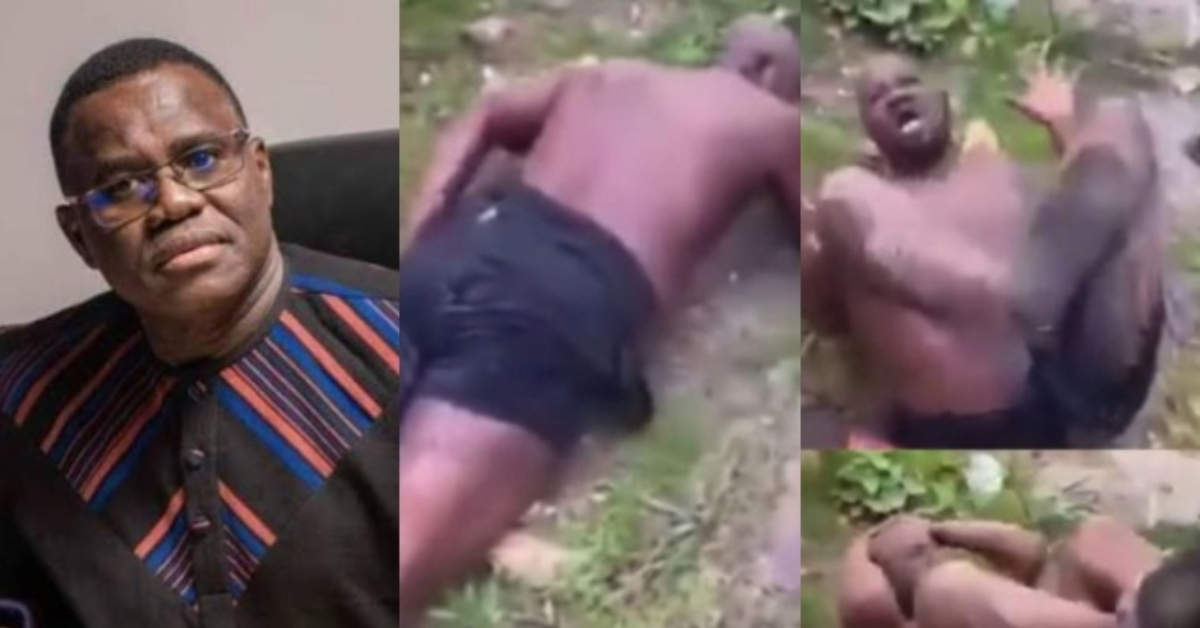
In a shocking and disturbing turn of events, the people of Burkina Faso have taken matters into their own hands by subjecting a former minister to brutal public punishment for alleged misappropriation of public funds. A video circulating on social media captures the harrowing scene, showing the former Transport Minister, Vincent Dabilgou, being violently beaten in broad daylight.
Brutal Public Beating
The video, which has garnered widespread attention, depicts a mob hitting Dabilgou severely. The former minister is seen stripped down to only his black boxer shorts, highlighting the severity and public nature of the punishment. The footage has sparked intense reactions and discussions online, reflecting the deep-seated anger and frustration of the populace.
Reno Omokri Shares the Shocking Video
Reno Omokri, a former presidential aide of Nigeria, brought further attention to the incident by sharing the video on his social media page. He captioned it with a stern warning about the graphic content, stating, “Viewer Discretion: Grace To Grass: The Barbaric Treatment Burkina Faso Meted To Vincent Dabilgou, Its Former Transport Minister.”
Public Outrage and Vigilante Justice
This incident underscores the extreme measures some citizens are willing to take when they feel justice is not being served through formal channels. While the act of public beating is a stark display of vigilante justice, it also raises critical questions about governance, corruption, and the rule of law in Burkina Faso.
A Call for Legal and Judicial Reform
The brutal treatment of Vincent Dabilgou signals a profound discontent among the people regarding corruption and the perceived impunity of public officials. It highlights the urgent need for comprehensive legal and judicial reforms to address corruption and restore public trust in the governmental and judicial systems.
Reactions and Implications
The international community and human rights organizations are likely to scrutinize this incident closely, as it reflects broader issues of governance and human rights in the region. It also serves as a stark reminder of the potential consequences of corruption and the urgent need for transparency and accountability in public office.
Conclusion
The disturbing video of Vincent Dabilgou’s public beating is a vivid illustration of the intense frustration and anger that corruption can ignite among the populace. While such acts of vigilante justice are deeply troubling and condemnable, they also underscore the critical need for effective and just legal mechanisms to address corruption and hold public officials accountable in Burkina Faso
